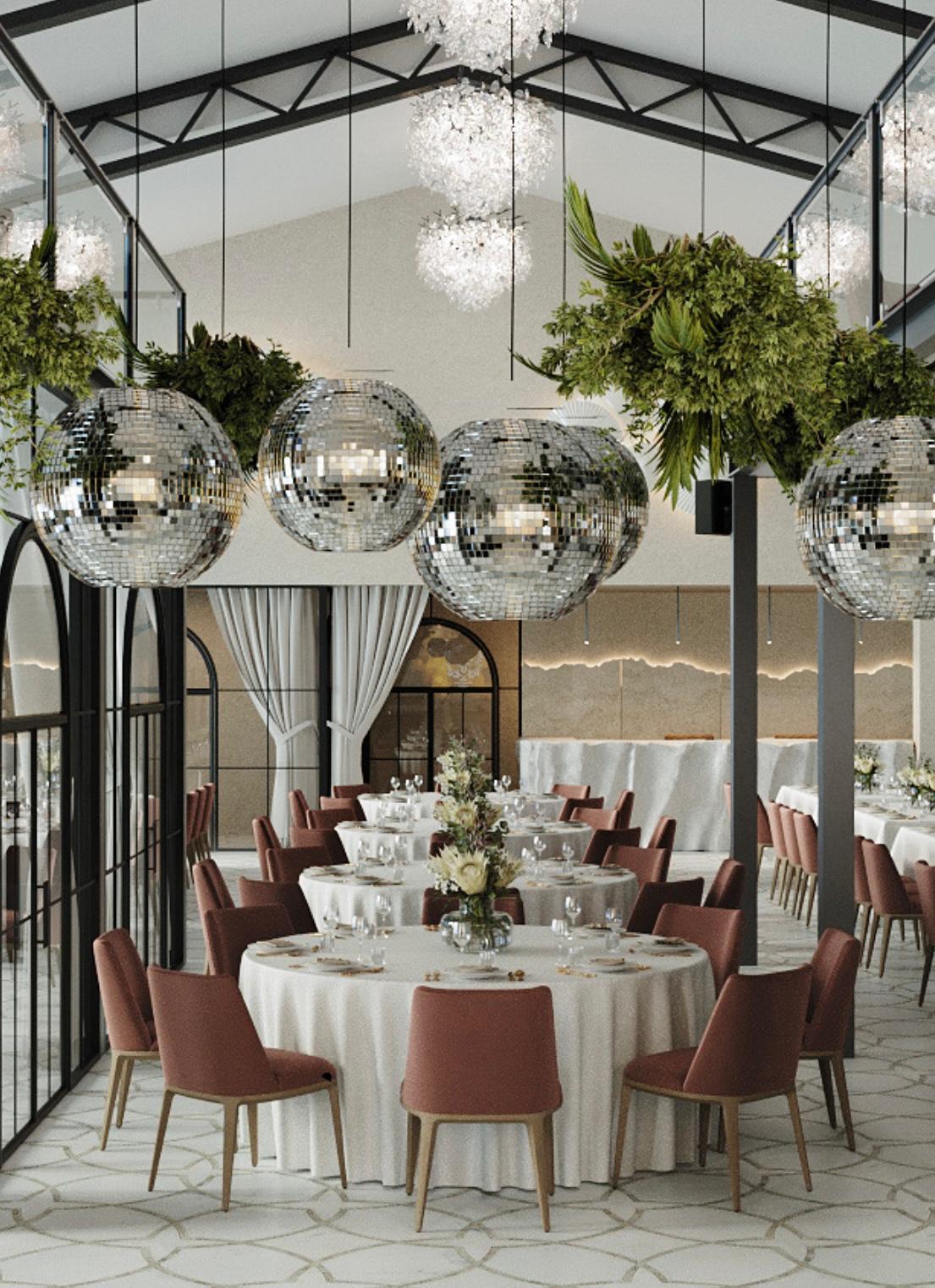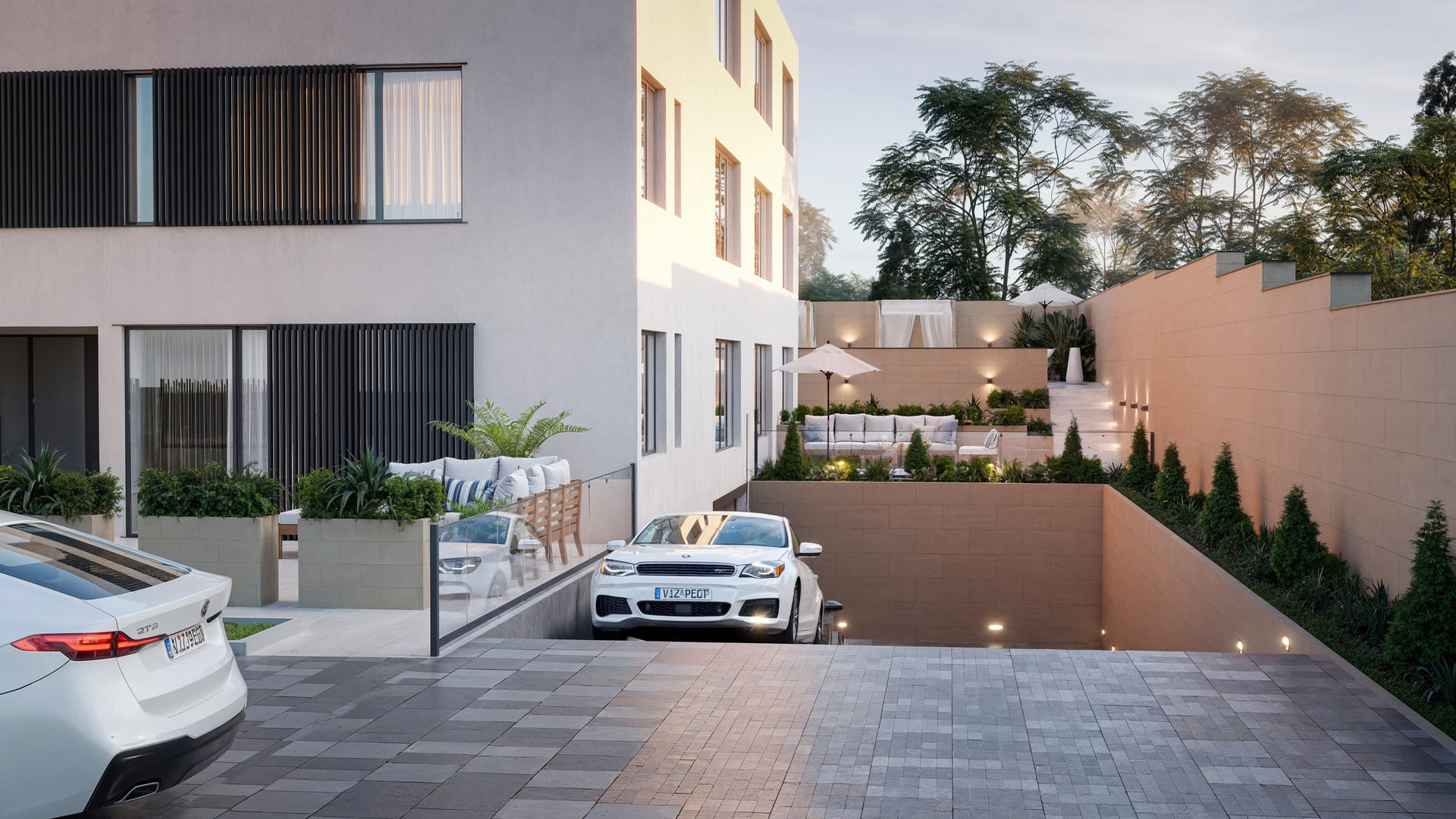

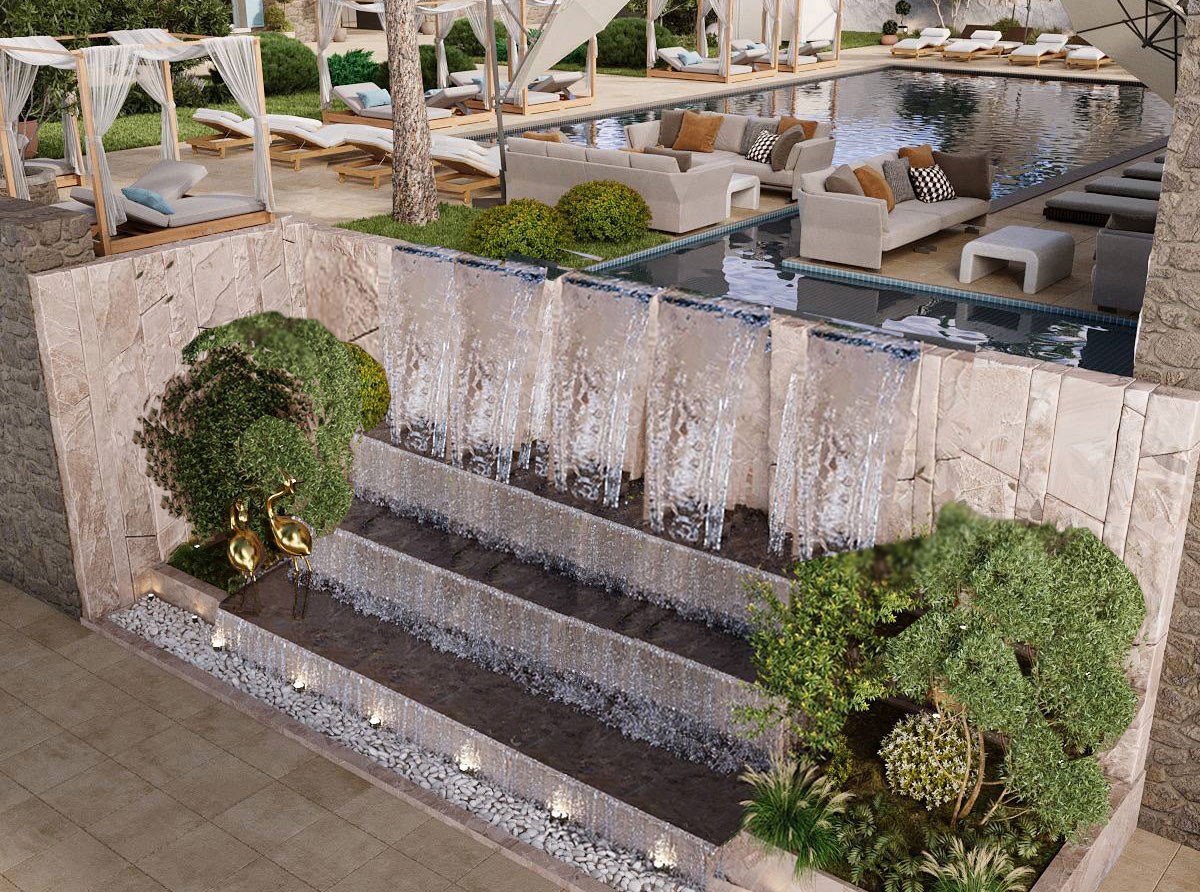


When speaking about houses in Istria, it is clear that the market is currently very dynamic and somewhat saturated with new-build properties.
In recent years, Istria has experienced a strong investment wave, resulting in a large number of newly built holiday homes, often similar in design and purpose.
This supply has created intense competition, reduced overall authenticity, and at the same time made buyers increasingly selective in the process of renting or purchasing property.
The Istrian Housing Market Today – Dynamics and Saturation
Buyers, especially foreign clients, are increasingly looking for unique properties with character rather than another standardized new build. Therefore, it can be concluded that the Istrian market may be saturated in quantity, but it remains hungry for quality and authentic projects — particularly when it comes to the renovation of old houses.

Why Are Renovated Old Houses Increasing in Value?
- They offer authenticity and character
- They are located in historic town and village centers
- They preserve identity and historical value
- They provide long-term value rather than a passing trend
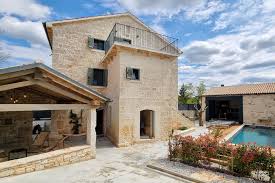
In other words, renovating old houses in Istria is not merely a construction process — it is the preservation of identity, culture, and Mediterranean spirit.
By restoring recognizable thick stone walls, wooden beams and shutters, inner courtyards and tavern-style spaces, old vaults and cellars, and by conserving original façades, we revive an era. We connect past and future within a space that has a soul — because every stone tells a story, and our task is to preserve it.
Why Do We More Easily Choose New Construction Over Renovation?
Renovating an old house involves uncertainty — hidden structural issues, moisture problems, outdated installations, unknown foundation conditions — all of which can increase costs unpredictably. Such a process requires patience, expertise, and trust in professionals.

Additionally, as a society, we are often conditioned to believe that new automatically means better and more modern, while old is frequently perceived as a burden rather than potential.
Renovation requires emotional engagement — understanding the space, respecting its history, and making thoughtful decisions.

Unlike standardized new construction, renovation is almost always a unique project without serial solutions. Although it may be more financially demanding, it creates genuine value and authenticity. In that very complexity lies its lasting worth — because choosing to restore something leaves a deeper and more meaningful mark.